Many women who call us have little income or are completely dependent on the abuser. Of the women who stay in our short-term shelter, the vast majority (78%) live in poverty and 18% work in low paid jobs.
Residents of our transition house cannot find safe, adequate, and affordable long-term housing in their community. Women stay with us for longer and longer lengths of time because they can’t find a suitable, affordable place. Women who’ve moved out of our house regularly call on us to provide them with gift cards to be able to buy groceries for their family.
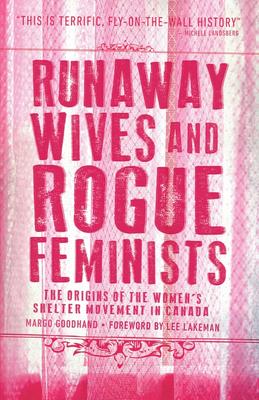
Vancouver Rape Relief and Women's Shelter book recommendation about transition houses! Runaway Wives and Rogue Feminists, The Origins of the Women's Shelter Movement in Canada by Margo Goodhand
In Canada, as in many other parts in the world, women first operated rape crisis centres and transition houses in the mid 70’s as part of the second wave of the feminist movement. The collective of Vancouver Rape Relief and Women’s Shelter has been operating a rape crisis centre since 1973 and a transition house since 1981. In April 2009, we invited women who stayed in our own transition house, and in the second stage housing of Monroe House and Safe Choice, to share their experience of using these houses to get free from violent men.
During my weekly night at the house, I spend time with our residents, help out with chores and play with children. As I support them in their transition to a life without violence, we share with each other what we know of male violence against women as I see them in their resistance part of the women’s liberation movement.
Personal and political decisions are made at kitchen tables everyday as we share our foods and lived experiences; we teach and learn from all women. The work in our kitchen is much more than preparing meals.
To celebrate our 35th anniversary and respond to our changing context, we hosted an international gathering of women from English-speaking welfare state countries undergoing similar neoliberal political changes, including England, Scotland, New Zealand, Australia, the United States and Canada. They joined us in considering the challenges currently facing our movement and in recommitting to the transition house as a strategy for women’s liberation.
We have become skillful at making sure the mothers and children and the poorest of the volunteers and workers have access to gift giving for their beloved.
There has been a great push toward methods of professionalism in our work in the transition houses and it will take every effort on all our parts to fight back and hold onto our practice of feminism.